

A trade license is permission from the local authority to run a specific business, shop, or commercial activity in a fixed location. It is meant to ensure that the business follows local laws related to health, safety, zoning, and public welfare. This document does not give ownership of the business place; it only allows the business activity to continue lawfully.
For many business owners, getting a trade license is a basic step before starting operations. It is also important during inspections, renewals, and compliance checks. In many cities, the process can be completed online through the local portal.
Why it matters
A trade license helps keep your business legally compliant and reduces the risk of penalties or closure. It also builds trust with customers, suppliers, and government authorities because it shows that your business is registered with the local body. For shops, eateries, service units, and other commercial setups, this permission is often considered essential.
It may also be needed when applying for other registrations, loans, or business approvals. In simple terms, it is a compliance document that supports smooth business operations. Without it, even a good business can face avoidable legal trouble.
Who needs it?
Many types of businesses may need this permission depending on the city rules and the nature of the work. Common examples include retail shops, restaurants, warehouses, clinics, salons, small factories, service centers, and commercial offices. The exact requirement usually depends on the local municipal authority.
A home-based or very small business may also need it if the local body asks for one. Business owners should check the rules of their city before opening. This is especially important if the business handles food, chemicals, machinery, or customer footfall.
Documents usually required
The exact list can vary by city, but the following documents are commonly asked for:
-
Identity proof of the applicant.
-
Address proof of the applicant.
-
PAN card or business PAN.
-
Proof of business premises.
-
Rent agreement or ownership papers.
-
Property tax receipt, if applicable.
-
Photograph of the applicant.
-
NOC or consent documents, if required by the local body.
-
Business details such as nature of trade, area, and staff strength.
Keeping these papers ready saves time and avoids delays. If the premises are rented, the landlord’s consent may also be needed in some cases. Always keep scanned copies ready for online submission.
How to apply
The process usually starts with filling out the application form on the relevant municipal or state portal. After that, you upload the required documents and submit business details such as location, ownership type, and nature of trade. Once the application is reviewed, the fee is paid and the license is issued after approval.
Here is a simple process many businesses follow:
-
Visit the local municipal portal.
-
Select the trade license service.
-
Fill in applicant and business details.
-
Upload documents.
-
Pay the required fee.
-
Track the application status.
-
Download the license after approval.
In some places, the authority may inspect the premises before granting approval. If the details match the documents and local rules, the process is usually straightforward.

Fees and validity
The fee for a trade license is not the same everywhere. It can depend on the type of business, size of premises, location, and local municipal rules. A small shop may pay less than a larger commercial establishment.
In many places, the license is valid for one year and must be renewed regularly. Renewal is important because an expired license can create compliance issues. Business owners should check the renewal date well in advance so they do not miss the deadline.
Common mistakes to avoid
Many applications get delayed because of small errors. Missing documents, wrong business category, unclear address proof, or mismatch in applicant details can slow down approval. Another common mistake is waiting until the last moment for renewal.
Avoid these issues:
-
Submitting incomplete forms.
-
Uploading blurred or outdated documents.
-
Giving the wrong business activity.
-
Ignoring local rules for your area.
-
Forgetting to renew on time.
A little care during submission can save a lot of time later. It also reduces the chances of rejection or follow-up queries from the authority.
Benefits for business owners
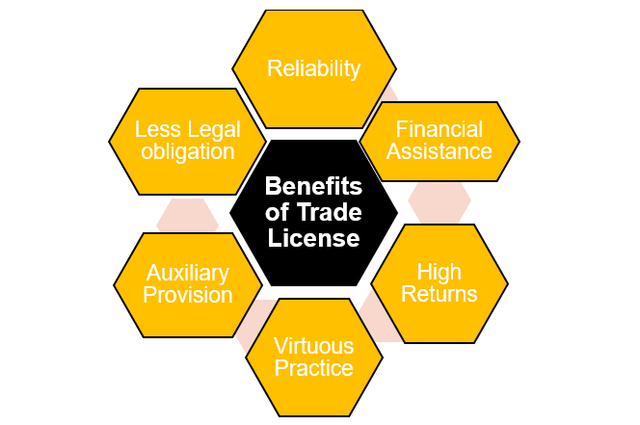
Having the right permission makes your business look more reliable and organized. It helps show that your operations are lawful and aligned with local regulations. This can be useful when dealing with customers, vendors, banks, or inspectors.
It also supports long-term stability. A business that follows the rules is less likely to face interruptions. For growing enterprises, compliance becomes a strong foundation for expansion and trust.
Trade license in Jaipur
For business owners in Jaipur, the process is generally handled through the local urban or municipal system, and online submission is often available. The application usually asks for applicant details, business details, and supporting papers before the fee is calculated and the request is processed. Tracking the application online is also commonly available after submission.
If you run a shop or commercial unit in Jaipur, it is wise to check the local requirements before starting. This helps you avoid delays and ensures your business begins on the right side of compliance. Keeping your records updated makes future renewal much easier.
Conclusion
A trade license is a practical and necessary compliance document for many businesses. It supports legal operation, improves trust, and helps business owners avoid penalties. With the right documents and timely renewal, the process becomes much easier and more manageable.
For any business owner, this is not just a formality; it is a part of running a responsible and lawful business. Whether you are opening a new shop or renewing an old registration, proper compliance should always stay a priority.

