

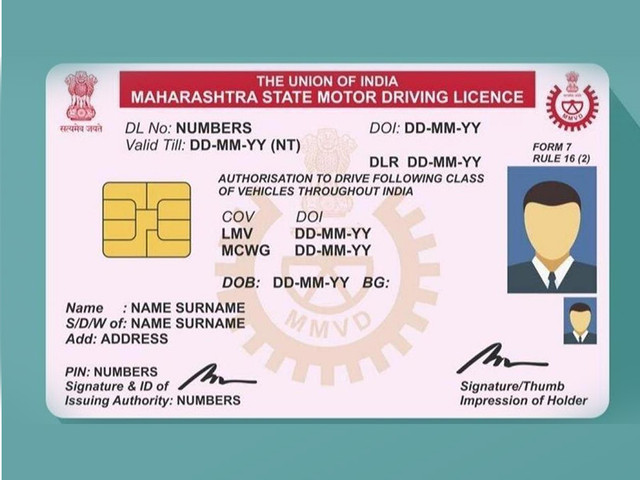
LMV means in driving license refers to Light Motor Vehicle, a category that covers most common vehicles like cars, jeeps, vans, and some light commercial vehicles. It is one of the most searched terms by new drivers because it helps them understand what type of vehicle their license allows them to drive.
What LMV Means
LMV means Light Motor Vehicle. In simple words, it is the license category for driving vehicles that are light in weight and generally used for personal or small commercial use. In India, this category is important because many people apply for it when they want to drive a car legally on the road.
The term is often written on a driving license because it tells the transport authority what kind of vehicle the license holder is allowed to operate. If you are learning to drive, understanding LMV means in driving license is the first step before applying for the proper category.
Vehicles Covered Under LMV
An LMV license usually covers a wide range of vehicles. These are mostly vehicles that are easy to drive and commonly used for daily travel or business work.
-
Hatchbacks and sedans.
-
SUVs and jeeps.
-
Vans and MPVs.
-
Small delivery vehicles.
-
Light goods carriers.
-
Small commercial passenger vehicles in some cases.
This category is helpful for private owners as well as small business owners who use light vehicles for transport. If the vehicle falls within the allowed weight limit, it may come under LMV.
Why LMV Matters
LMV matters because it decides whether you are legally allowed to drive a certain vehicle. Many people assume that any driving license is enough, but that is not true. The category written on the license is very important.
It also helps in road safety and insurance compliance. If a person drives a vehicle without the correct category on the license, it can lead to penalties, legal trouble, or insurance problems after an accident. That is why knowing LMV means in driving license is useful for every vehicle owner.
Eligibility for LMV License
To apply for an LMV license, a person usually needs to meet a few basic conditions. These may vary slightly by state or RTO, but the common requirements are simple.
-
The applicant must meet the minimum age requirement.
-
A learner’s license is usually needed first.
-
The applicant must pass the driving test.
-
Identity proof and address proof are required.
-
Medical fitness may be required in some cases.
People often apply for this license after learning driving from a school, family member, or instructor. Once the learner’s stage is completed, the permanent license can be issued after the test.
Documents Required
The document list for LMV application is usually straightforward. Keeping these ready can save time at the RTO.
-
Proof of age, such as Aadhaar card, birth certificate, or passport.
-
Proof of address, such as utility bill, voter ID, or rent agreement.
-
Passport-size photographs.
-
Learner’s license.
-
Medical certificate, if applicable.
-
Application form and fee receipt.
Always check the latest local RTO requirements because some offices may ask for extra documents depending on the case.
LMV and Vehicle Weight
One of the main things about LMV is the weight limit. In general, LMV refers to vehicles that fall under the light motor category according to transport rules. This weight-based classification is what separates LMV from heavier vehicle categories.
So when someone asks LMV means in driving license, the answer is not only about small cars. It is also about the official classification based on the type and weight of the vehicle. This is why even some light commercial vehicles can be included.
How to Apply
The process of applying for an LMV license is simple if you follow the steps properly.
-
Apply for a learner’s license first.
-
Practice driving and learn traffic rules.
-
Collect the required documents.
-
Fill out the driving license application.
-
Book a slot for the driving test.
-
Appear for the test at the RTO.
-
If you pass, the permanent license is issued.
This process is designed to make sure the driver knows the basics before getting full permission to drive on public roads.
Common Mistakes
Many new applicants make small mistakes while applying for an LMV license. These mistakes can delay approval or create confusion later.
-
Not checking the correct vehicle category.
-
Applying without a learner’s license.
-
Submitting incomplete documents.
-
Ignoring the driving test preparation.
-
Assuming LMV covers every vehicle type.
Understanding these mistakes can help you complete the process smoothly and avoid repeated visits to the RTO.
Benefits of LMV License
Having an LMV license gives several practical benefits. It is not just a legal requirement, but also a useful document in daily life.
-
It allows you to drive your car legally.
-
It can support job opportunities in transport and delivery services.
-
It is useful as identity proof in many situations.
-
It helps keep your driving record legal and clean.
-
It gives confidence to drive without fear of fines.
For families and business owners, this license is often the most useful driving category because it matches common vehicle use.
Conclusion
LMV means in driving license is Light Motor Vehicle, and it is the category most people need for driving cars, vans, jeeps, and some light commercial vehicles. It plays an important role in legal driving, road safety, and insurance compliance, so understanding it properly saves time and trouble.

